

The Nebraska Summer Guide to Smarter Window Treatments
The Nebraska Summer Guide to Smarter Window Treatments
Summer in northeast Nebraska doesn't ease in — it arrives. The heat climbs, the sun angles low through your west-facing windows by late afternoon, and your patio becomes unusable by 2 p.m. For homeowners who want to stay comfortable without sacrificing the views or the living space they've built, the answer isn't thicker curtains or closing the blinds. It's smarter window treatments, inside and out.
Here's what we're seeing work beautifully for Nebraska homes this summer — and the reasoning behind why these solutions actually perform.
Why Standard Windows Struggle in a Nebraska Summer
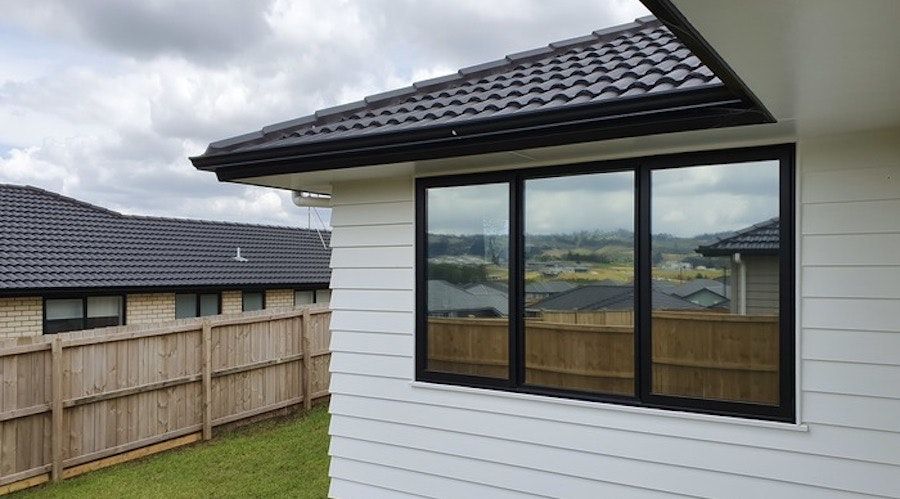
Glass is an efficient conductor of solar heat. As the sun moves across the sky, even a well-insulated window allows radiant heat to pass directly into a room — a phenomenon known as solar heat gain. In Nebraska, where summer days bring long hours of direct, high-angle sun, west- and south-facing rooms can see significant temperature swings by mid-afternoon, putting more pressure on HVAC systems and creating rooms that simply feel uncomfortable to occupy.
The fix isn't just about reducing brightness — closing a traditional blind blocks light but does little to manage the heat already radiating through the glass. The right window treatment intercepts that heat before it becomes a problem in the room, while still preserving the openness and views that drew you to those windows in the first place.
Interior: Control Light and Heat Without Losing the View
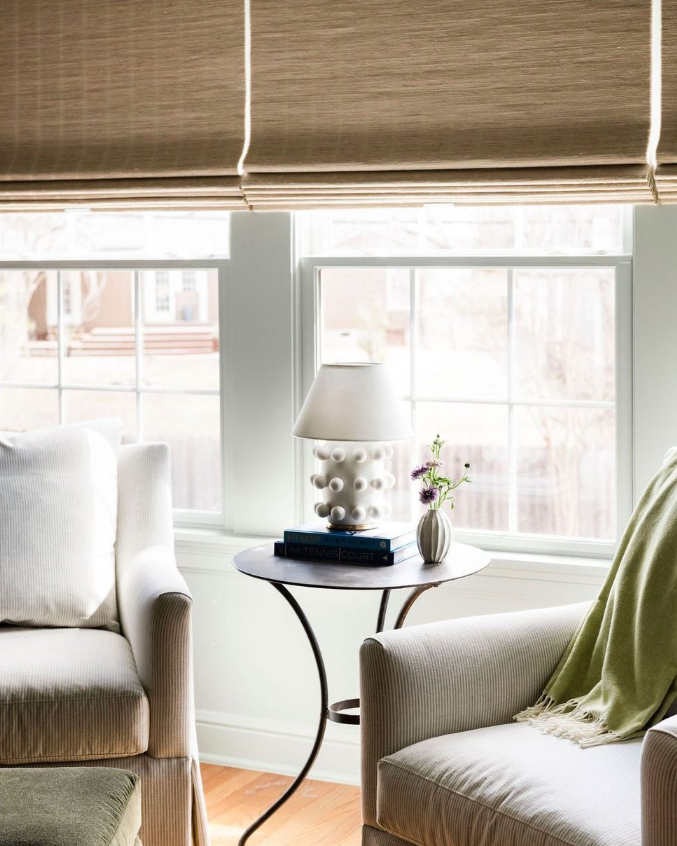
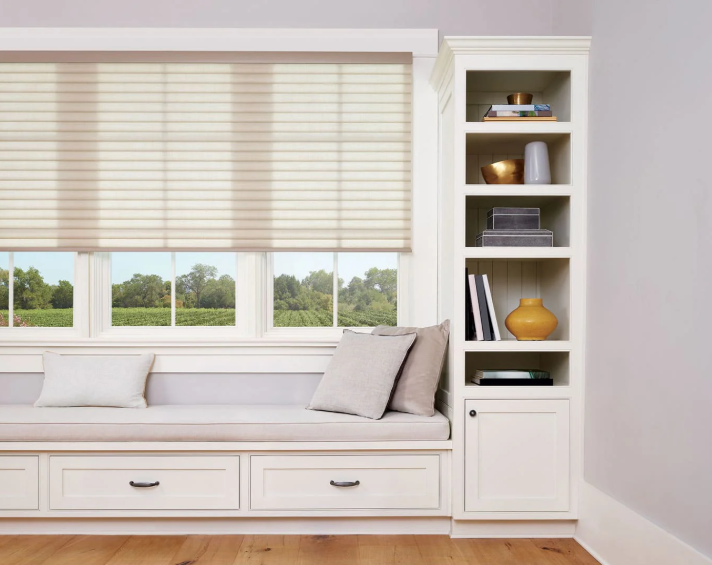
This is where openness factor matters. Solar shade fabrics are woven with varying degrees of openness — essentially, how much of the fabric is solid versus how much light can pass through. A tighter weave with a lower openness factor blocks more solar heat and glare, while a more open weave preserves visibility and a softer level of light filtration. The right choice depends entirely on a room's orientation and how it's used.
Hunter Douglas solar shades and roller collections give you precise control over this balance. Their fabric library spans a wide range of openness factors, so a south-facing great room that needs serious heat and glare control can be specified differently than an east-facing bedroom that just needs to soften morning light. This isn't a one-size-fits-all approach — it's engineered per room, per orientation, per need.
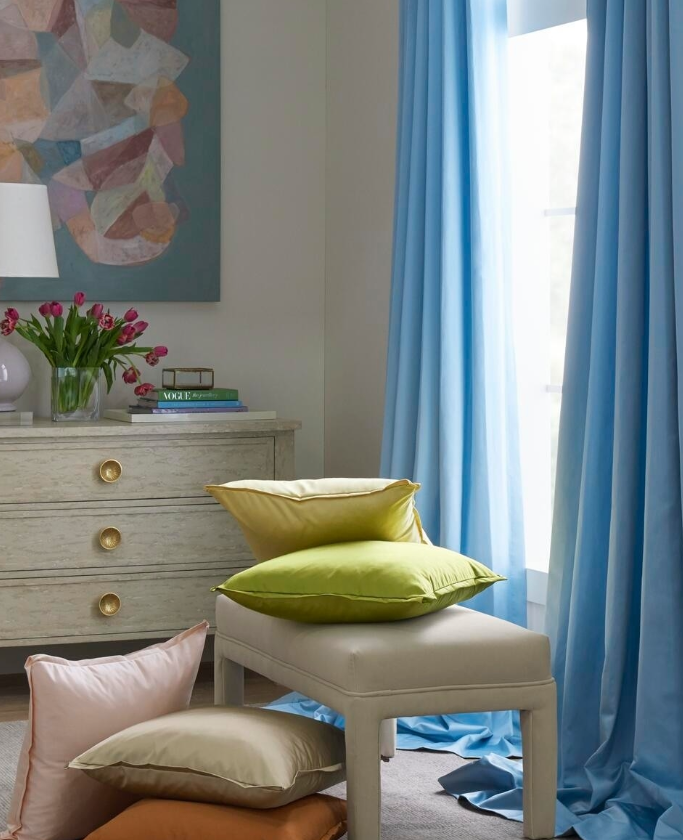
Lafayette Interior Fashions brings the same principle with a slightly different fabric character — strong performance with a clean, modern aesthetic. Their motorized roller shades are particularly well suited to large expanses of glass, where consistent, even light control matters as much as the look of the shade itself.
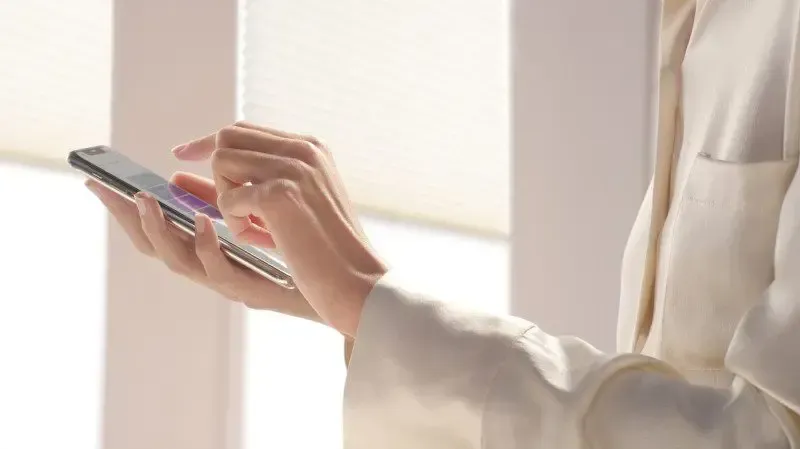
Both brands integrate with smart home systems, which matters more in summer than people expect. A shade that lowers automatically as the sun hits a west-facing window — even when no one's home — keeps heat from building up in a room throughout the day, rather than playing catch-up once it's already hot.
Exterior: Stopping Heat Before It Reaches the Glass
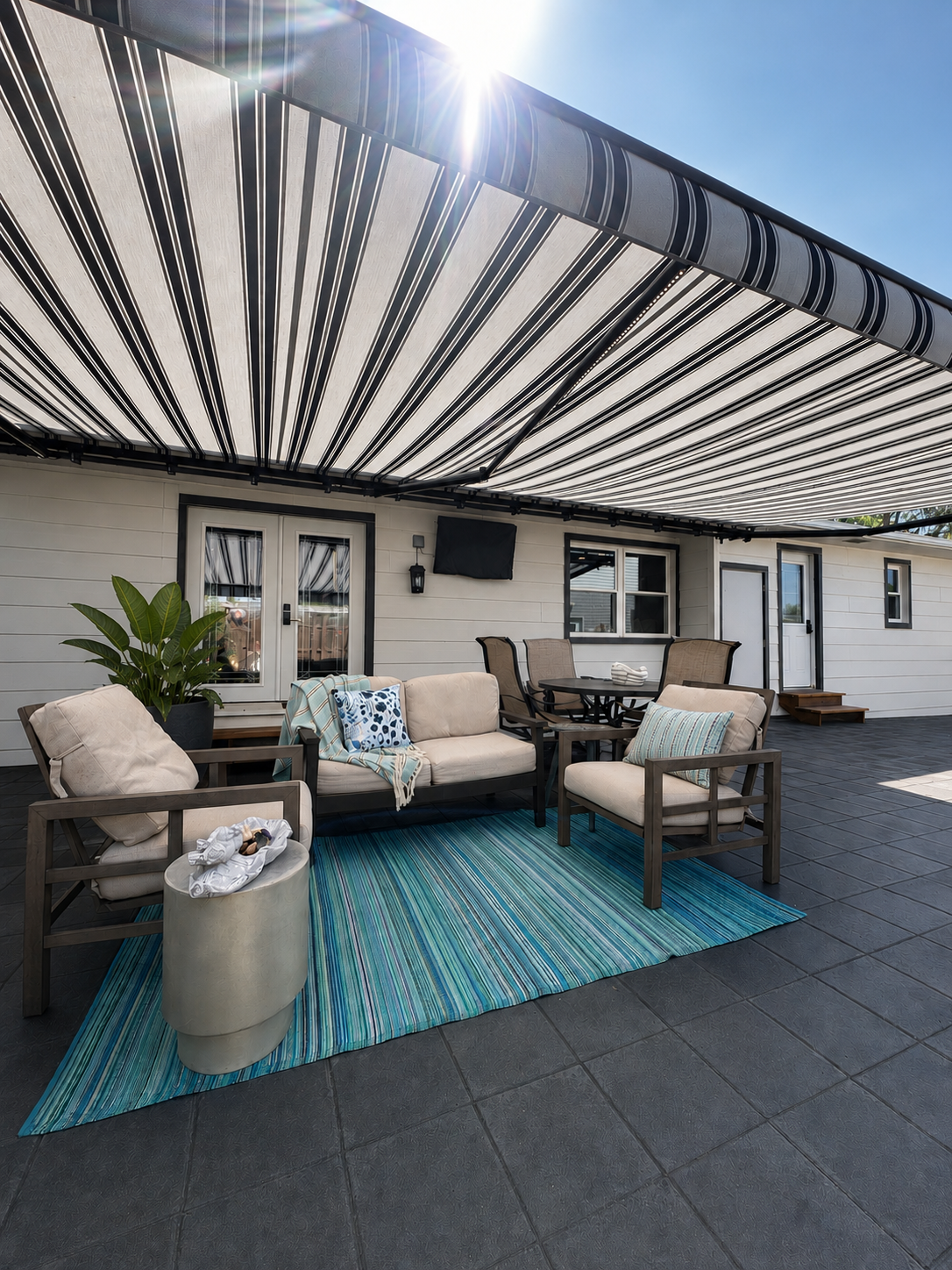
Here's the key difference between interior and exterior shading: an interior shade manages heat after it's already passed through the glass. An exterior shade or screen stops solar radiation before it ever reaches the window. That distinction is the entire reason exterior shading is so effective for patios, covered porches, and large glass walls — by the time heat or glare would hit an interior shade, an exterior solution has already done the work.
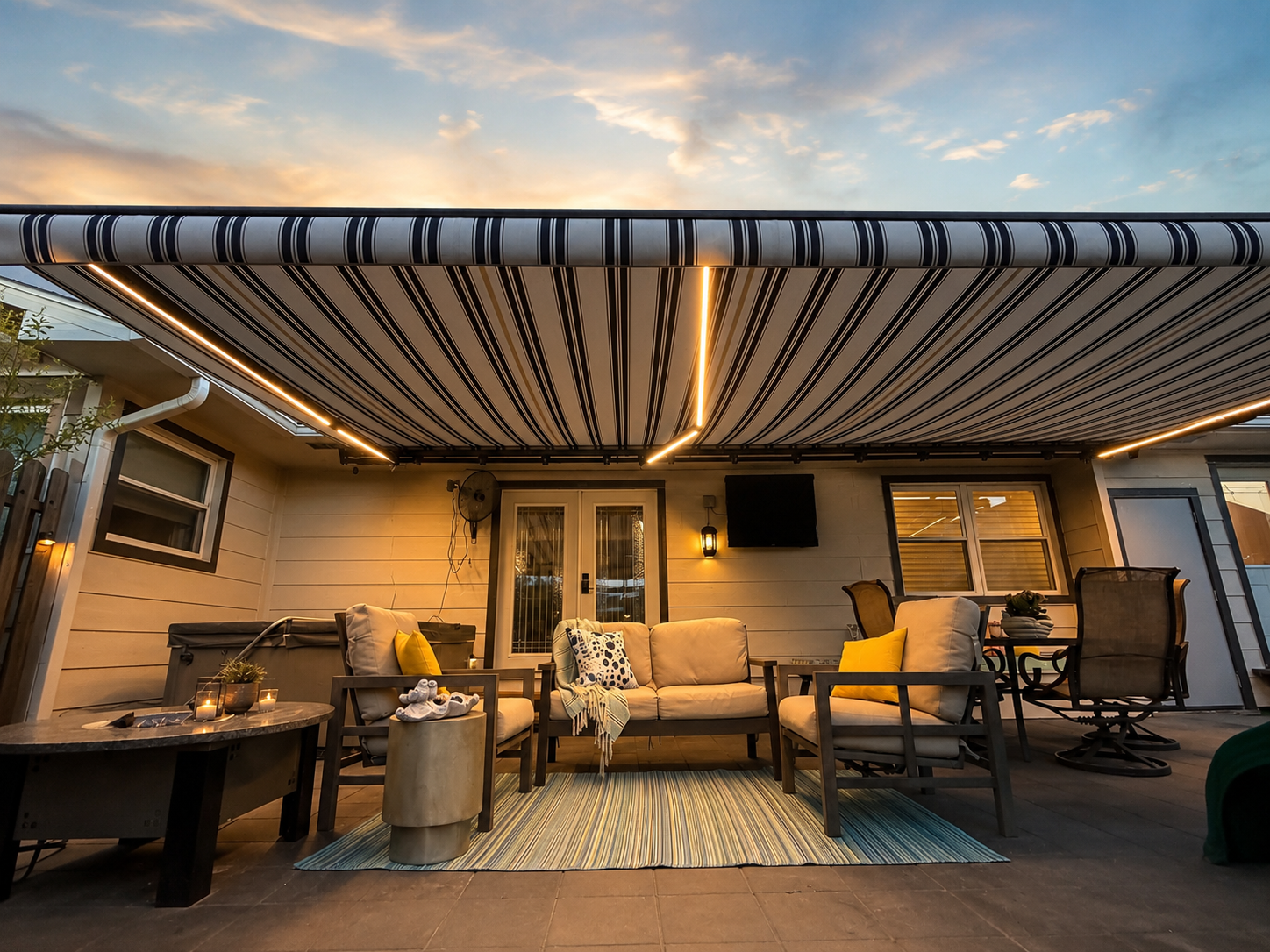
Insolroll exterior solar shades use the same openness-factor principle as interior fabrics, but positioned outside the glass entirely. For covered patios and pergola spaces, this means you get a shaded, comfortable environment without sacrificing airflow or fully closing off the space. Insolroll shades are built specifically for outdoor exposure, engineered to withstand Nebraska's wind, sun, and seasonal temperature swings without degrading.
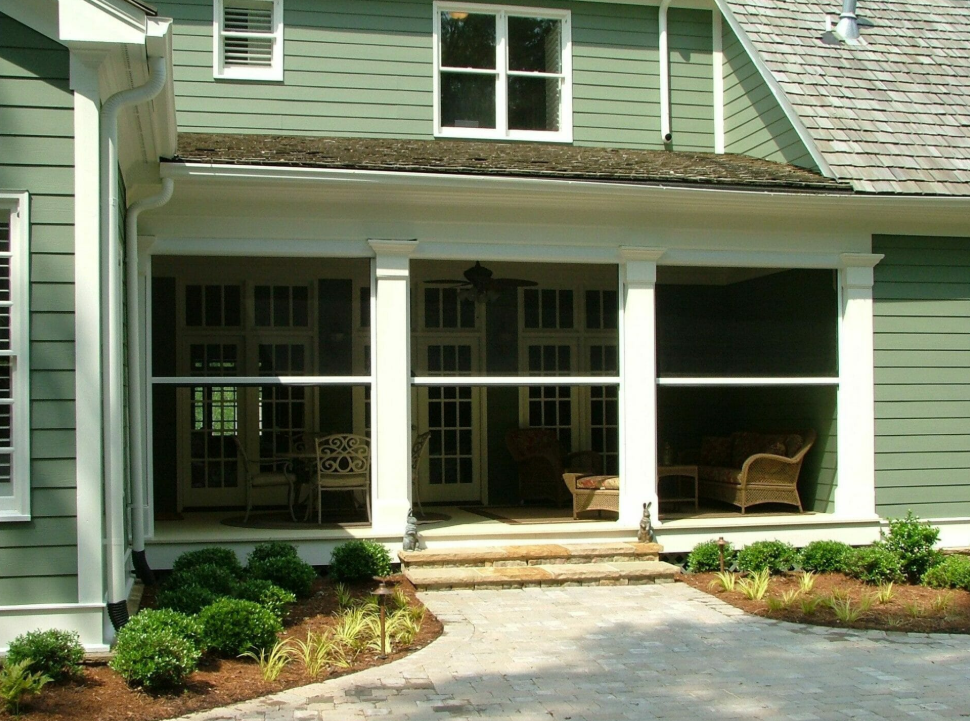
Magnatrack exterior screens solve a different but related problem: full perimeter enclosure for larger open patio areas. The Magnatrack system uses a patented self-tensioning magnetic track to keep the screen fabric taut and secure, even in strong wind — a real consideration on open Nebraska properties where a standard roll-down screen would billow, snap, or fail over time. The system self-corrects as it operates, preventing the hang-ups and misalignment that plague conventional tracked screens, so it maintains consistent heat and glare control across the entire opening every time it's used. Magnatrack screens can be motorized and retract completely out of sight when not in use, making it easy to open the space back up on a cooler evening.
Why Summer Is the Right Time to Act
This is the season you feel the problem most acutely — and it's also when the difference a well-specified window treatment makes is most immediate. Whether you're finishing a new build, updating a main living area, or finally doing something about that west-facing patio, the investment pays off every single day through the rest of the summer and into fall.
At Captivating Windows by Magnolias, we serve homeowners across northeast Nebraska from our showroom in downtown Norfolk. We carry Hunter Douglas, Lafayette Interior Fashions, Insolroll, and Magnatrack — and we'll help you figure out exactly what your home needs.
Come see us, or reach out to schedule a consultation.