

Window Tint vs. Window Treatments: A Northeast Nebraska Comparison
Window Tint vs. Window Treatments: A Northeast Nebraska Comparison
Comparing window tint to window treatments in Norfolk and Northeast Nebraska? Here's what changes with energy performance, privacy, and window warranties.
Window Tint vs. Window Treatments: A Northeast Nebraska Comparison
Window tint has a simple pitch: one appointment, and the heat, glare, and UV problem is handled. It's a reasonable pitch for a car. For a home — where the goals are usually some mix of comfort, privacy, energy cost, and how a room actually feels to live in — the decision runs deeper than what fits on a flyer.
Is window tint or window treatments better for energy savings?
Tint's strongest argument is energy efficiency, so it's worth looking at what the data actually says on both sides. Window film reduces solar heat gain by blocking radiation before it passes through the glass, and depending on the film, that reduction is real.
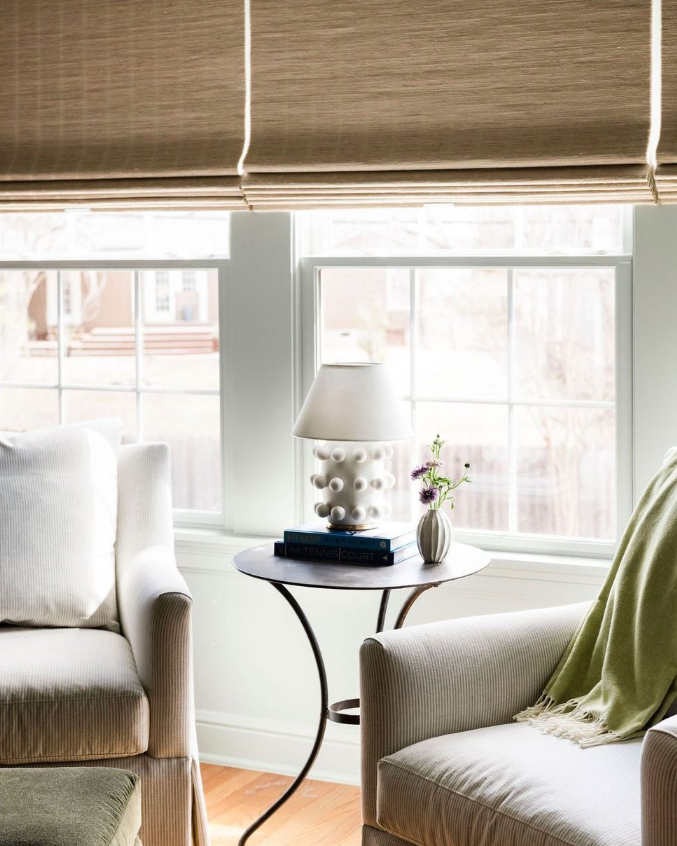
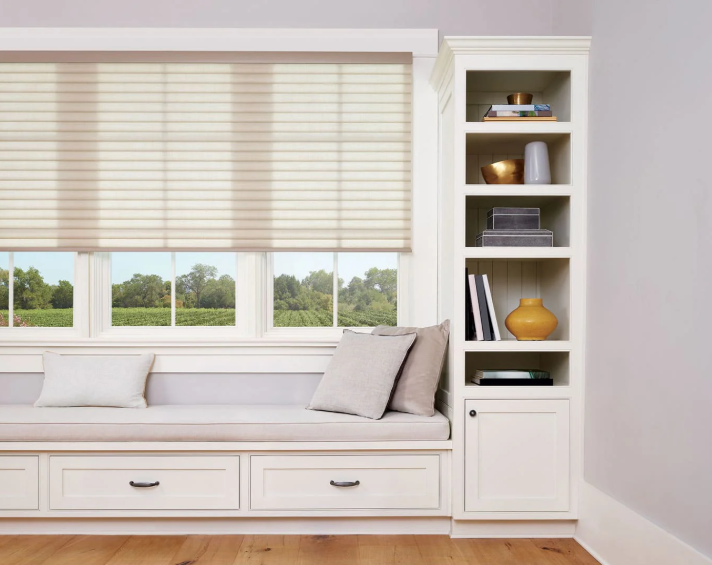
What usually gets left out is how competitive cellular shades are on that same measure. According to the U.S. Department of Energy, tightly fitted cellular shades can cut heat loss through windows by up to 40% in winter and block up to 60% of solar heat gain in summer — and DOE research consistently ranks cellular shades as having the highest insulating value of any common window covering. A 2022 Oak Ridge National Laboratory field study found annual HVAC energy savings of 19–27% depending on climate.
The distinction: tint works continuously but only manages one side of the equation — heat coming in. It does little for heat escaping through the glass in winter. Cellular shades address both directions, because the insulating air pocket works the same regardless of which way the heat is moving. On a window that has to handle a 95-degree Northeast Nebraska July afternoon and a single-digit January night, that's not a minor gap.
Does window tint affect privacy at night?
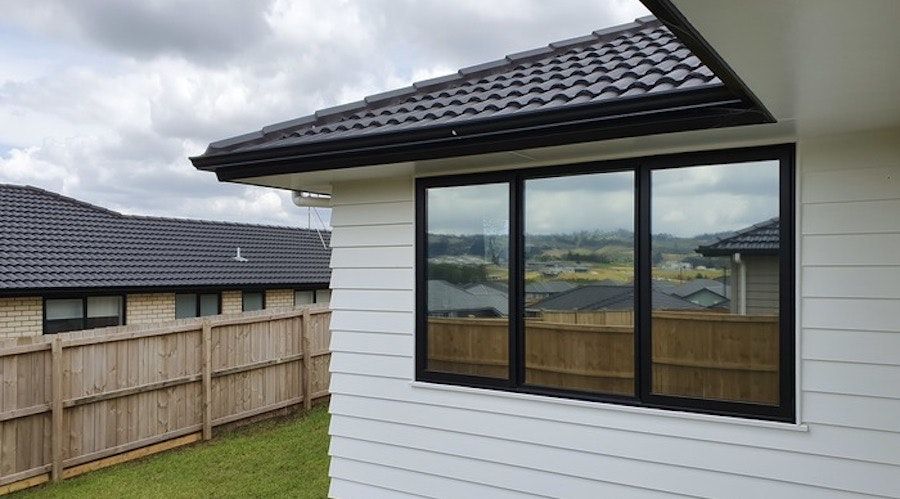
During the day, tinted glass does reduce visibility from outside. But that effect depends entirely on there being more light outside than in. The moment evening comes and the lamps go on inside, a tinted window behaves exactly like an untinted one — fully visible from the street. It's one of the most common surprises homeowners run into after installation, because it rarely comes up beforehand.
Window treatments don't have that flip. A drapery panel or a shade blocks the view at noon and at nine at night, because it isn't relying on outdoor light being brighter than indoor light — it's just physically in the way.
Can window tint be adjusted, or is it permanent once installed?
Once film is applied, that's the window's condition — every day, every season, with no way to dial it back. On a bright July afternoon, that's the whole point. On an overcast morning, or in a room that wants full natural light for an hour, there's no way to open it up.
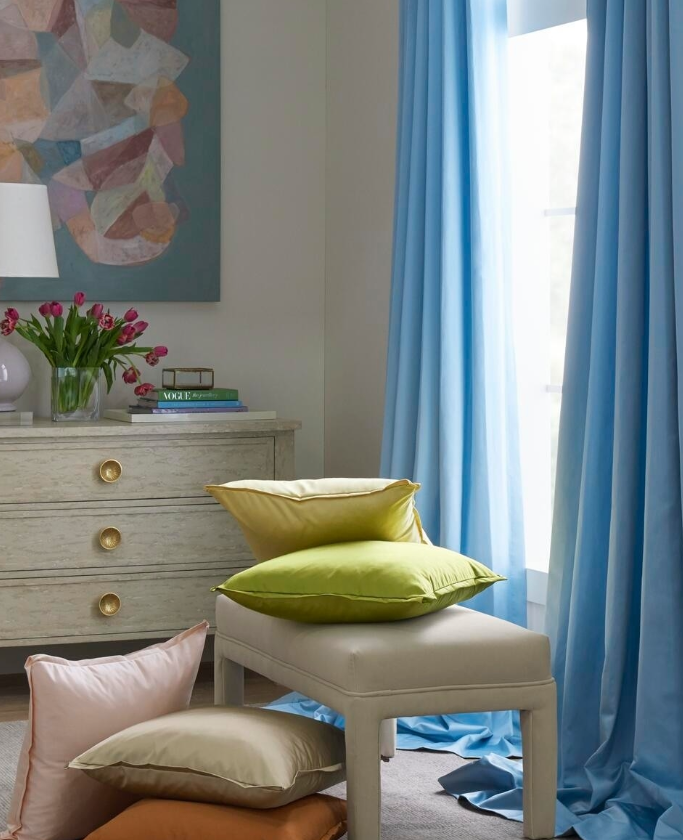
Window treatments are built around adjustment. A Hunter Douglas shade or Lafayette drapery moves from fully open to fully closed and anywhere between, and with PowerView automation, that adjustment happens on a schedule, by remote, or by voice — no one has to physically get up and do it. Tint is a fixed setting. Treatments are a range.
Is window tint lower maintenance than window treatments?
To be fair to it — yes. Tint requires close to no upkeep once installed: no dusting, no fabric to clean, no cords or components. For someone whose only priority is the least possible maintenance, that's a legitimate point in tint's favor.
Where that advantage runs out is everywhere the room needs to actually change — light, privacy, mood, or look — because low maintenance and no flexibility tend to be the same tradeoff wearing two names.
Does window film void a window's warranty?
This is the part that gets skipped most often. Across the window film industry, it's well documented that most window manufacturers void the glass or seal warranty the moment aftermarket film is applied — regardless of the film's quality or how well it's installed. Some film manufacturers offer their own backup warranty to cover that gap, so it isn't automatically a dealbreaker, but it's something worth confirming with the window manufacturer before the appointment, not after a seal fails and a claim gets denied. Window treatments never touch the glass, so this question doesn't come up.
Does window tint or window treatments hold up better at resale?
Custom window treatments tend to read as a finished feature of a home — something a buyer notices and doesn't think twice about. Aftermarket window film more often prompts a question: was this added for a reason, and does it need to come off? It's a small line item in a home sale, but a real one, and it runs in opposite directions for each option.
Where this actually lands
A window is supposed to give a room privacy, control the light, and hold up as one of the more expensive things in the house to replace. Tint trades every one of those for a single afternoon appointment. That's the real cost, and it's the one no flyer mentions.
Northeast Nebraska homes deal with real winters and real summers on the same glass. Treatments are built for both. Tint was only ever built for one.
Captivating Windows by Magnolias — downtown Norfolk showroom, or call (402) 371-8494.